Featured
Table of Contents
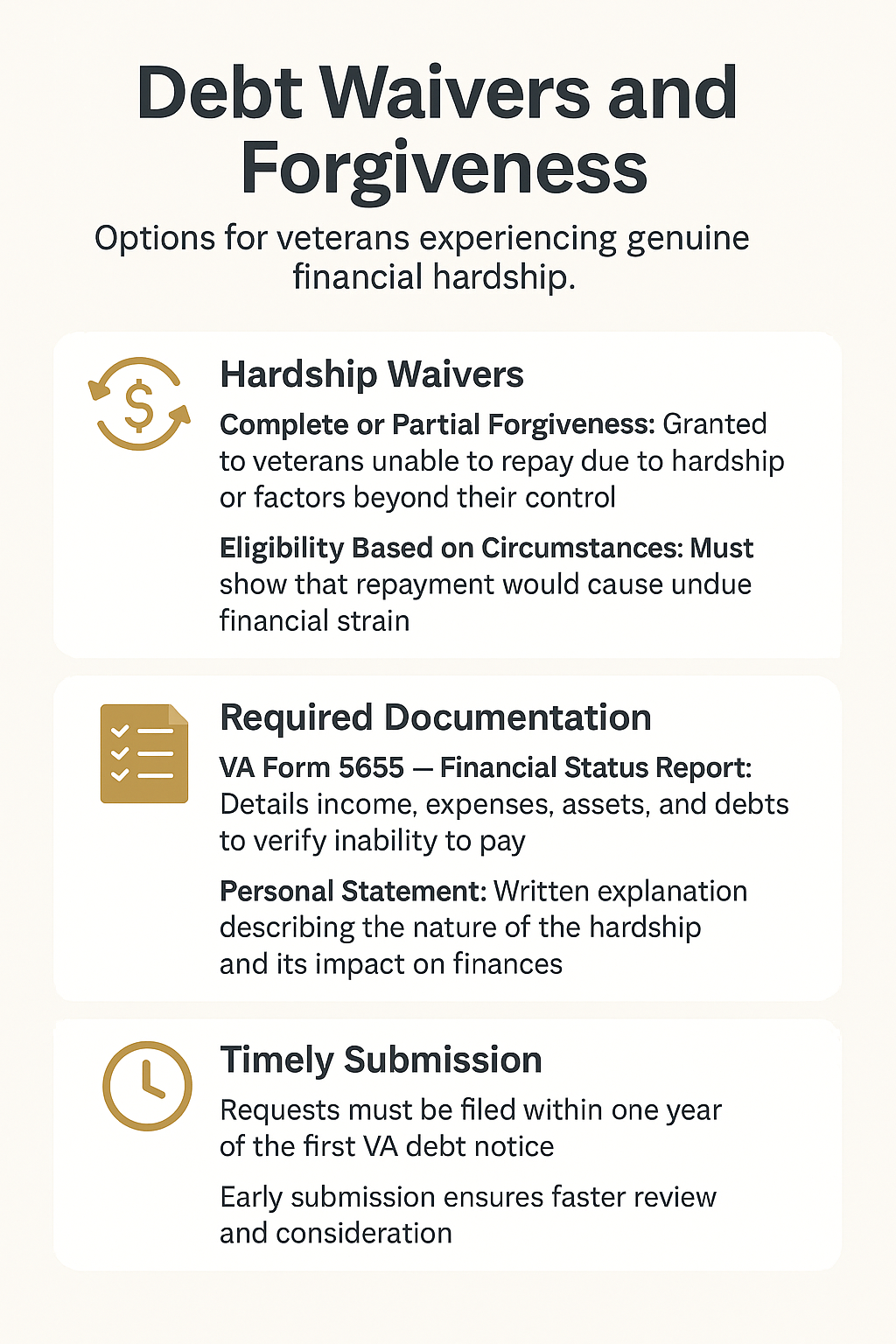
That frees up money in the short-term, and you may have three to four years to save toward the negotiation amount. Very harmful to credit report, mostly as a result of missed out on payments and an adverse "worked out" mark that could remain on your credit history record for up to seven yearsMay be just choice if other choices (financial obligation consolidation, balance transfer charge card, debt forgiveness) aren't possibleTypically calls for a fee to the 3rd party, which might balance out some or all of the savings from debt settlementMay assist you avoid personal bankruptcy if you have actually missed out on numerous paymentsNot all financial institutions work with financial debt negotiation business Financial debt mercy might be appropriate for you if you are experiencing a monetary hardship that makes it almost difficult to pay down your financial obligation balances.

With a DMP, you make one month-to-month repayment to the credit rating therapy agency. Those funds are after that dispersed to financial institutions of your unprotected financial debts, such as credit cards and installment fundings. The firm deals with your lenders to minimize interest rates or waive charges, yet some lenders may reject such concessions.
A financial debt loan consolidation funding combines your qualified financial obligations right into one new car loan. It can aid you pay for financial debt if you're able to secure a car loan price that's lower than the average price of the accounts you're consolidating. However, you should avoid acquiring financial obligation on those newly cleared accounts or your financial obligation might expand also higher.
These cards commonly supply a 0% interest introductory period of as much as 21 months. That provides you lots of time to eliminate or dramatically lower your balance while making interest-free settlements. For some people dealing with overwhelming financial debt, personal bankruptcy might be the only means to stop collection process and lawfully solve their financial obligations.
What Does Everything You Should Prepare For In the Bankruptcy Journey Do?
You may need it if your financial institution or a collection agency ever before tries to accumulate on the debt in the future. When a lender forgives $600 or more, they are required to send you Form 1099-C.
Financial obligation forgiveness or settlement often harms your credit rating. Anytime you clear up a financial debt for much less than you owe, it might show up as "resolved" on your credit score report and affect your credit history score for seven years from the date of negotiation. Your debt can likewise drop substantially in the months resulting in the mercy if you fall back on repayments.
4 Simple Techniques For How Debt Relief Safeguards Your Property
Tax obligation debt concession programs Tax obligation debt happens when the quantity of tax obligations you owe surpasses what you have paid. This scenario usually results from underreporting earnings, not filing returns on time, or disparities located throughout an IRS audit. The consequences of building up tax financial obligation are severe and can consist of tax obligation liens, which provide the IRS a lawful insurance claim to your residential property as security for the financial obligation.
Greater passion rates on available credit history. Salaries and Financial institution Accounts IRS can impose (seize) earnings and financial institution accounts to satisfy the financial obligation. Reduced earnings and disturbance of vital financial processes. Property Seizure In severe cases, the internal revenue service can confiscate and market property to cover the debt. Loss of important possessions and possible displacement.
Anxiety, stress and anxiety, and other mental wellness concerns. Social Stigma Encountering lawsuit from the IRS can lug social preconception. Damage to reputation and partnerships. Work Opportunities A poor credit rating due to strain financial obligation can limit work opportunities. Difficulty searching for or maintaining a work. Government Benefits Tax financial obligation may affect eligibility for government advantages, such as Social Safety and Medicaid.
Unknown Facts About Calculating the Investment of Online vs Phone Bankruptcy Counseling: Pros
The OIC considers a number of elements, including the taxpayer's earnings, expenses, property equity, and capacity to pay. Efficiently working out an OIC can be intricate, requiring a detailed understanding of the IRS's guidelines and a solid argument for why your offer lines up with your ability to pay. It is necessary to note that not all applications are accepted, and the procedure needs detailed economic disclosure.
The internal revenue service analyzes your overall economic circumstance, including your income, expenses, possession equity, and ability to pay. You must additionally be current with all declaring and payment demands and not be in an open bankruptcy case. The IRS also considers your conformity history, assessing whether you have a document of timely declaring and paying tax obligations in previous years.
Unknown Facts About Necessary Paperwork When Pursuing Debt Forgiveness
The application process for an Offer in Concession involves several thorough steps. You must finish and submit IRS Type 656, the Offer in Compromise application, and Form 433-A (OIC), a collection information statement for individuals. These types need extensive financial information, consisting of information regarding your revenue, financial obligations, expenses, and assets.
Back taxes, which are unpaid tax obligations from previous years, can significantly raise your total IRS financial debt otherwise addressed promptly. This debt can build up rate of interest and late settlement charges, making the initial amount owed much larger gradually. Failing to pay back tax obligations can cause the IRS taking enforcement actions, such as releasing a tax obligation lien or levy against your residential or commercial property.
It is crucial to resolve back taxes immediately, either by paying the full amount owed or by organizing a layaway plan with the IRS. By taking proactive actions, you can stay clear of the build-up of added interest and charges, and stop much more hostile collection actions by the internal revenue service.
One usual factor is the idea that the taxpayer can pay the complete quantity either as a round figure or via a layaway plan. The IRS additionally considers the taxpayer's earnings, expenses, possession equity, and future earning capacity. If these variables indicate that the taxpayer can manage to pay even more than the used quantity, the IRS is most likely to decline the deal.
Practical Tips Once Online vs Phone Bankruptcy Counseling: Pros for Beginners
It is important to give exact and full details in your application and to seek advice from a tax obligation expert to enhance the opportunities of acceptance. Dealing with internal revenue service financial obligation can be intricate and complicated. Tax specialists, such as Certified public accountants, tax obligation attorneys, or registered representatives, can provide vital aid. They have the experience to navigate the complexities of tax obligation legislation and IRS treatments.

Table of Contents
Latest Posts
What to Watch For While Researching a Debt Provider for Beginners
Recovering Personal Credit History After The Future of Credit Scoring: Beyond FICO Alternative Data and Financial Inclusion Can Be Fun For Anyone
The Only Guide for Ways to Get Started with the How Housing Counselors Work with Legal Aid When You’re at Risk of Eviction Journey
More
Latest Posts
What to Watch For While Researching a Debt Provider for Beginners