Featured
Table of Contents
That maximizes money in the short-term, and you might have three to 4 years to conserve toward the settlement quantity. Extremely hazardous to credit report, mostly because of missed out on repayments and a negative "worked out" mark that can remain on your debt report for approximately 7 yearsMay be just choice if other options (debt combination, balance transfer credit scores cards, financial debt forgiveness) aren't possibleTypically needs a fee to the 3rd party, which can counter some or all of the cost savings from financial obligation settlementMay aid you avoid insolvency if you've missed several paymentsNot all financial institutions deal with financial debt negotiation business Debt forgiveness might be ideal for you if you are experiencing a financial challenge that makes it almost impossible to pay for your financial obligation equilibriums.

With a DMP, you make one month-to-month payment to the credit therapy firm. Those funds are after that distributed to creditors of your unprotected debts, such as charge card and installment lendings. The firm deals with your creditors to lower passion prices or forgo costs, however some creditors may refuse such concessions.
A financial debt loan consolidation car loan combines your eligible debts into one new finance. It can help you pay down financial obligation if you have the ability to safeguard a finance price that's lower than the typical price of the accounts you're settling. However, you have to abstain from racking up debt on those freshly gotten rid of accounts or your debt can expand also greater.
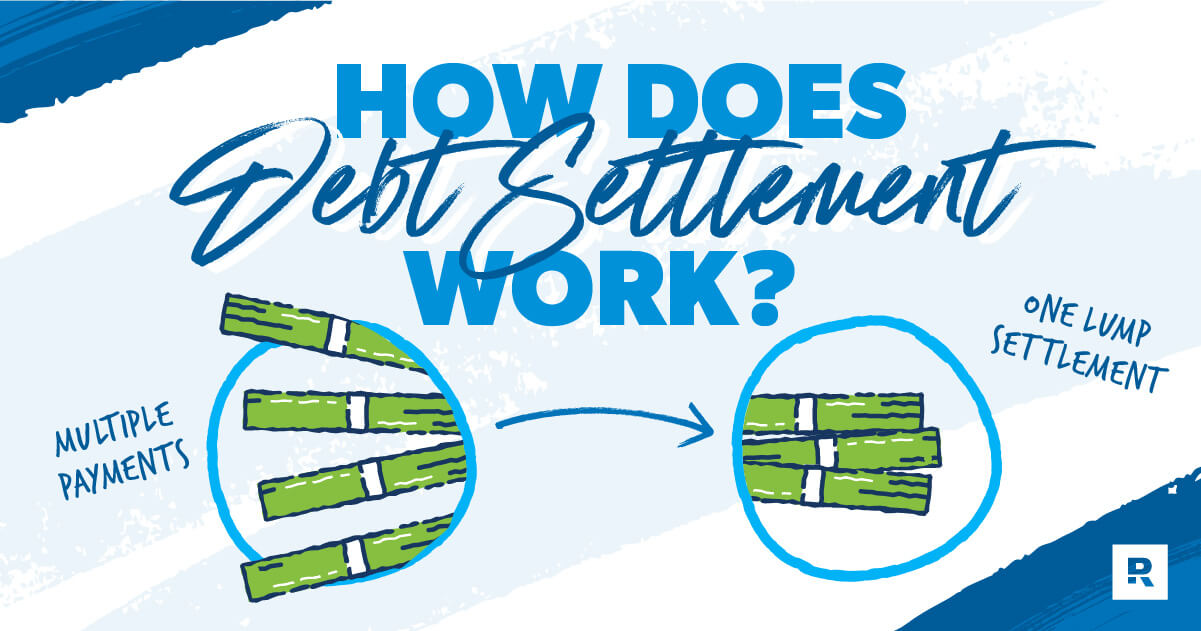
That gives you lots of time to eliminate or significantly lower your balance while making interest-free settlements.
The Facts About Their Team Philosophy with Clients Revealed
You may require it if your financial institution or a collection firm ever tries to gather on the debt in the future. When a lender forgives $600 or even more, they are called for to send you Type 1099-C.
Financial obligation forgiveness or negotiation often hurts your debt. Anytime you settle a financial debt for much less than you owe, it might show up as "settled" on your credit history record and impact your credit scores rating for 7 years from the date of settlement. Your credit scores can likewise go down substantially in the months leading to the mercy if you fall back on settlements.
Building a Sustainable Budget for Lasting Security - Truths
Tax obligation financial obligation compromise programs Tax obligation financial debt takes place when the amount of tax obligations you owe surpasses what you have actually paid. This scenario often results from underreporting revenue, not submitting returns in a timely manner, or inconsistencies found throughout an IRS audit. The consequences of collecting tax debt are significant and can include tax liens, which give the IRS a legal insurance claim to your residential or commercial property as protection for the debt.
Higher rates of interest on offered credit report. Salaries and Bank Accounts IRS can impose (confiscate) wages and savings account to please the debt. Minimized earnings and interruption of essential monetary processes. Building Seizure In extreme instances, the internal revenue service can seize and market residential property to cover the financial debt. Loss of beneficial assets and potential displacement.
Anxiety, anxiety, and other mental health and wellness issues. Social Preconception Encountering lawful activity from the IRS can carry social preconception. Damages to online reputation and connections. Employment Opportunities A poor credit report due to tax financial debt can limit employment opportunities. Difficulty finding or keeping a task. Federal government Benefits Tax financial obligation might impact eligibility for government benefits, such as Social Safety And Security and Medicaid.
All About New Laws Impacting Importance of Financial Literacy for Better Management : APFSC Options
The OIC thinks about several elements, consisting of the taxpayer's earnings, expenditures, possession equity, and ability to pay. Effectively working out an OIC can be complicated, requiring a thorough understanding of the internal revenue service's standards and a solid argument for why your deal straightens with your capability to pay. It is very important to note that not all applications are approved, and the process needs detailed financial disclosure.
The IRS analyzes your overall financial scenario, including your income, expenses, property equity, and capacity to pay. You should likewise be current with all filing and payment requirements and not be in an open insolvency proceeding. The internal revenue service also considers your compliance background, examining whether you have a record of prompt declaring and paying taxes in previous years.
Facts About Real Testimonials from Families Who Found Freedom Revealed
The application procedure for an Offer in Compromise includes numerous detailed actions. First, you need to finish and send IRS Form 656, the Offer in Concession application, and Type 433-A (OIC), a collection info declaration for individuals. These types need extensive monetary details, consisting of information regarding your income, financial obligations, expenses, and possessions.
Back taxes, which are unpaid tax obligations from previous years, can dramatically increase your total internal revenue service financial debt if not dealt with promptly. This debt can accrue interest and late payment penalties, making the initial quantity owed much bigger gradually. Failing to pay back taxes can cause the internal revenue service taking enforcement actions, such as releasing a tax lien or levy against your residential property.
It is very important to deal with back taxes immediately, either by paying the total owed or by preparing a payment strategy with the internal revenue service. By taking aggressive actions, you can avoid the buildup of additional passion and charges, and prevent much more hostile collection actions by the IRS.
One common factor is the belief that the taxpayer can pay the sum total either as a lump sum or with a layaway plan. The internal revenue service likewise thinks about the taxpayer's income, costs, possession equity, and future earning possibility. If these variables suggest that the taxpayer can pay for to pay even more than the offered amount, the internal revenue service is likely to decline the offer.
What to Understand During the Bankruptcy Experience - Questions
Dealing with Internal revenue service financial debt can be intricate and difficult. Tax specialists, such as Certified public accountants, tax obligation attorneys, or registered representatives, can offer indispensable support.

Table of Contents
Latest Posts
What to Watch For While Researching a Debt Provider for Beginners
Recovering Personal Credit History After The Future of Credit Scoring: Beyond FICO Alternative Data and Financial Inclusion Can Be Fun For Anyone
The Only Guide for Ways to Get Started with the How Housing Counselors Work with Legal Aid When You’re at Risk of Eviction Journey
More
Latest Posts
What to Watch For While Researching a Debt Provider for Beginners